The importance of a proper diagnosis cannot be overstated. While it may sound obvious, many patients live for years with incorrect diagnoses that lead to ineffective treatment, unnecessary medications, and ongoing suffering.
A diagnosis represents the highest level of understanding of a patient’s condition. Without that understanding, treatment becomes guesswork. When the diagnosis is incorrect, the treatment plan is often ineffective, and patients may continue to struggle with pain and limitations in their daily lives.
When Neck Pain Is Misdiagnosed
Many years ago, a patient came into the office who had been told she had degenerating discs and cervical stenosisin her neck. She was about 40 years old and suffering from severe neck pain that radiated into her left arm.
Her symptoms included:
• Neck pain and stiffness • Muscle spasms in the neck • Numbness and tingling in the left arm • Pain radiating into the upper extremity • Difficulty moving her neck normally
For years, she had been seeing a pain management doctor and frequently visiting the emergency room for injections of Dilaudid, a powerful narcotic medication used for severe pain.
Despite all of this treatment, her condition had not improved.
Questioning the Original Diagnosis
When evaluating a patient, it is important to carefully consider whether the diagnosis truly matches the patient’s history and symptoms.
In this case, something did not seem consistent. A diagnosis of cervical stenosisin a 40-year-old patient is possible, but it is relatively uncommon unless there is a history of significant trauma or multiple injuries to the neck.
After reviewing her history, performing a detailed examination, and listening carefully to her symptoms, it became clear that the original diagnosis might not be correct.
The Real Diagnosis: Cervical Radiculopathy
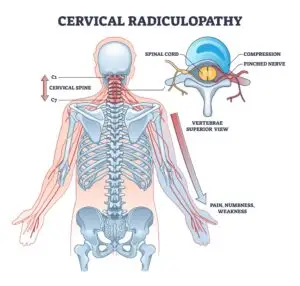
The patient was re-evaluated and diagnosed with cervical radiculopathy, a condition caused by herniated discs in the cervical spine that place pressure on nearby nerves.
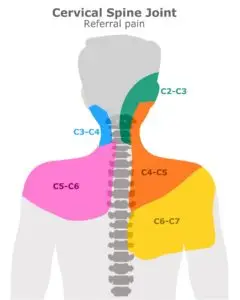
When cervical discs herniate, they can compress the nerve roots exiting the spine. This compression often produces symptoms such as:
• Neck pain • Radiating pain into the arms • Numbness or tingling • Muscle weakness • Restricted neck movement
These symptoms matched her presentation much more closely than cervical stenosis.
Immediate Relief After Treatment
After explaining the diagnosis and addressing the patient’s concerns, treatment began with a chiropractic adjustment of the cervical spine.
The patient was understandably nervous because she had been told by another doctor to avoid chiropractic care. However, she was also desperate for relief after suffering for years.
During the adjustment, several cervical joints that had been restricted began to move again. The release was dramatic.
What happened next was unforgettable.
The patient began to cry—not from pain, but from relief. The tension and pressure she had been living with for years suddenly eased. Over the next two to three visits, her neck pain resolved significantly.
Most importantly, she never returned to the hospital for another injection.
Why a Second Opinion Matters
This case illustrates why a second opinion can be extremely valuable, especially when a diagnosis dramatically affects your quality of life.
Sometimes patients are told they must avoid activities forever or that their condition will permanently limit them. These statements can have a profound psychological impact.
While doctors strive to provide accurate information, no physician is infallible. When symptoms are severe or life-altering, seeking another professional opinion can sometimes reveal a completely different explanation.
The Importance of Listening to the Patient
One of the most important parts of diagnosis is listening carefully to the patient’s history and symptoms.
Every detail—from how the pain started to how it affects daily activities—helps build the clinical picture. When this information is combined with a physical examination and clinical experience, the correct diagnosis often becomes clear.
Proper Diagnosis at Sirota Chiropractic Offices
At Sirota Chiropractic Offices, the evaluation process focuses on understanding the full picture of a patient’s condition. Symptoms are examined in the context of biomechanics, patient history, and clinical findings.
Dr. John Sirota has been practicing chiropractic care since 1990 and provides treatment in:
Wilton, Connecticut White Plains, New York
If you are suffering from chronic neck pain, radiating arm pain, or a condition that has not improved despite treatment, a proper evaluation may help uncover the true cause of the problem.
A correct diagnosis can sometimes change everything.
Consultation
If you are dealing with severe neck pain or symptoms that are interfering with your daily life, consider seeking a professional evaluation.
A consultation may help determine whether the diagnosis you were given truly reflects what is happening in your body.
Video transcript below the video, for those who would prefer to read this article.
FULL VIDEO TRANSCRIPT BELOW:
The Importance of a Proper Diagnosis-is everything.
Hello, I’m Dr. Jon Sirota, a chiropractor practicing in White Plains, New York, and Wilton, Connecticut. I’ve been in practice since 1990, and after more than three decades,s I can say that one of the most important things in healthcare is a proper diagnosis.
It may sound simple, but the importance of an accuratediagnosis cannot be overstated. A correct diagnosis is the foundation for effective treatment. Without it, patients can spend years managing symptoms without ever addressing the true cause of their problem.
A Patient Misdiagnosed for Years
Many years ago, a patient came to see me who had been told she had deteriorating discs and cervical stenosis in her neck. She was about 40 years old and suffering from severe neck pain that radiated down into her arms, especially her left arm.
She had been dealing with these symptoms for years. In fact, her pain had become so severe that she frequently went to the emergency room for injections of Dilaudid, a very powerful narcotic medication in the same family as morphine.
She was frightened about chiropractic treatment because she had been told not to get adjusted. However, after four years of pain and repeated emergency room visits, she was desperate to find relief.
Something Didn’t Add Up
During the consultation and examination, something about her diagnosis didn’t seem right.
She had been told she had cervical stenosis, but stenosis is typically a condition seen in patients much older than 40 unless there has been significant trauma or multiple serious neck injuries.
Her history simply didn’t match that diagnosis.
After listening carefully to her symptoms and performing a detailed examination, it became clear that her condition was something else entirely.
The Correct Diagnosis
Neck pain with radiation is called Radiculopathy.
The correct diagnosis was cervical radiculopathycaused by multiple herniated discs in her neck.
These herniated discs were pressing on the nerves exiting the cervical spine, which explained all of her symptoms:
• Neck pain and stiffness • Muscle spasms in the neck • Radiating pain into the arm • Numbness and tingling in the left arm • Limited range of motion in the neck
The diagnosis made sense when compared to her history and symptoms.
The First Adjustment
When it came time for her first adjustment, she was understandably nervous.
I explained that the goal was simply to find the joints in the spine that were not moving properly and encourage them to move again.
She lay face up on the table, anticipating what might happen.
When the adjustment was performed, several restricted joints in her cervical spine werereleased at once. The sound was dramatic.
Her reaction surprised me.
At first, she began crying, which startled me, until I realized these were tears of relief. For the first time in years, the pressure in her neck had eased.
A Life-Changing Result
Within two or three visits, her neck pain improved dramatically.
She never returned to the hospital for another injection. The chronic cycle of pain and emergency room visits stopped.
Instead, she was able to return to a normal life and occasionally came in for maintenance care.
All of this happened because the correct diagnosis was finally made.
Why Second Opinions Matter
This story highlights an important lesson.
Sometimes patients place complete trust in a single diagnosis. But when a diagnosis dramatically affects your life—especially when it limits your ability to work, exercise, or enjoy daily activities—it is important to consider seeking another opinion.
Doctors are human, and no physician is infallible.
A second evaluation can sometimes reveal that the problem is very different from what was originally believed.
The True Meaning of Diagnosis
A diagnosis represents the highest level of understanding of what is happening in the body.
That understanding comes from several sources:
• Listening carefully to the patient’s history • Asking the right questions • Performing a thorough physical examination • Applying clinical experience and reasoning
When these elements come together, the true cause of a patient’s symptoms often becomes clear.
If You Are Struggling With a Diagnosis
If you or someone you know has received a diagnosis that seems to be limiting your life—especially if the pain has not improved with treatment—it may be worth seeking another evaluation.
Sometimes the diagnosis is correct.
But many times, it isn’t.
Getting the right diagnosis can change everything, because an improper diagnosis often can ruin your life.
Dr. Jon Sirota Chiropractor Wilton, Connecticut White Plains, New York
If you are dealing with severe neck pain or a condition that has not improved despite treatment, consider reaching out for a consultation to determine whether the diagnosis you were given truly reflects what is happening.