Spine alignment using custom orthotics. Can Orthotics Help Reduce Functional Spinal Curvature?
Can Custom Orthotics Help Reduce Functional Spinal Curvature? Footlevelers is the number one brand of custom orthotics in the world today.
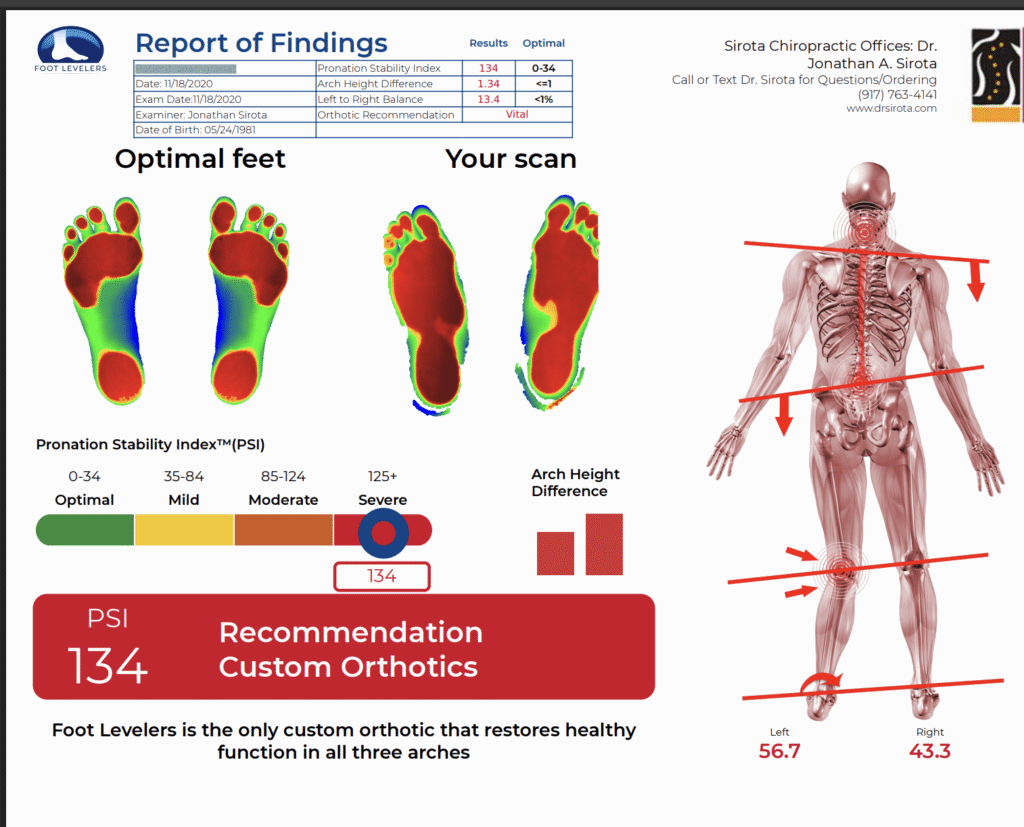
5 years ago, BEFORE wearing Orthotics by Footlevelers 2020, and a 13% body weight differential leaning left.
After 5 years of wearing Footlevelers custom orthotics every day without exception. This included Footlevelers custom-made built-in Orthotic sandals worn in the home and on vacation. He never went without wearing them in his footwear.
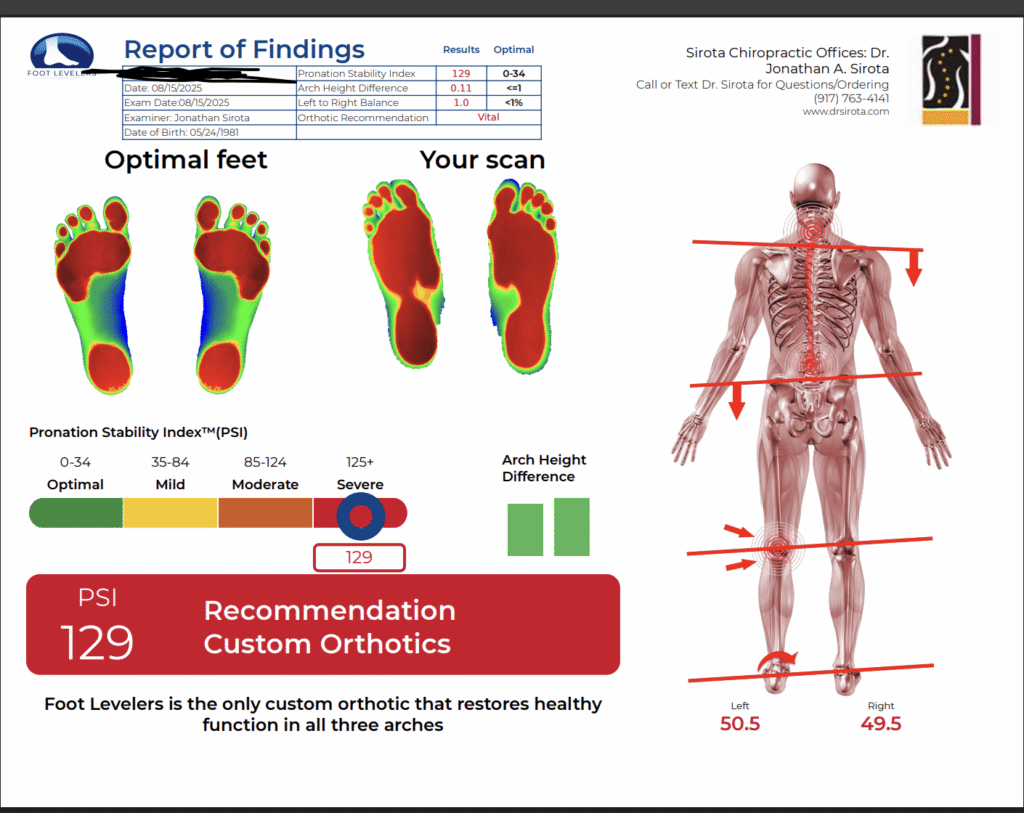
A true success story.
Other case studies:
This one involves Plantar Fasciitis:
Quick Answer: In some cases, long-term use of custom orthotics may reduce functional spinal curvature by improving foot stability and biomechanics. While this does not change structural scoliosis, it can significantly improve compensatory spinal patterns caused by asymmetrical foot mechanics.
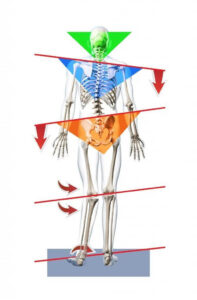
Many patients with chronic postural imbalance do not have true scoliosis, but instead present with functional spinal curvature. These patterns often originate from asymmetrical foot mechanics, particularly when one foot is significantly flatter than the other. As a result, the body compensates upward through the knees, pelvis, and spine, often producing a multi-curved or “double major” appearance.
In clinical practice, it is not uncommon to observe meaningful changes in spinal alignment over time when these underlying biomechanical issues are addressed. Recently, several cases demonstrated a notable reduction in previously observed spinal curvature following consistent use of custom flexible orthotics.
How Foot Mechanics Influence the Spine
The feet serve as the foundation of the kinetic chain. When one foot collapses more than the other, the imbalance creates asymmetrical loading forces. Consequently, the pelvis may tilt, and the spine adapts through compensatory curves to maintain balance and forward gaze.
- Asymmetrical pronation alters pelvic alignment
- Pelvic tilt influences spinal curvature patterns
- The spine compensates to maintain equilibrium
Over time, these adaptations may become more fixed, even though they originated as functional responses.
The Role of Custom Orthotics
Custom orthotics are designed to stabilize foot mechanics and reduce asymmetrical loading. By supporting the arches and improving alignment at the foundation, they can reduce the need for compensatory patterns higher in the body.
Additionally, consistent orthotic use may help normalize gait mechanics. As a result, stress distribution through the pelvis and spine becomes more balanced.
- Improved foot stability
- More symmetrical weight distribution
- Reduced compensatory spinal loading
Observed Changes in Spinal Alignment
In some patients, long-term use of custom orthotics has been associated with a visible reduction in functional spinal curvature. In several recent cases, individuals who previously presented with a double-curved spinal pattern demonstrated significant improvement in alignment over time.
Importantly, these changes are best understood as a reduction in compensatory curvature rather than a structural alteration of the spine itself.
Functional vs. Structural Curvature
It is critical to distinguish between functional curvature and structural scoliosis. Structural scoliosis involves fixed changes in spinal anatomy. In contrast, functional curvature is driven by biomechanical imbalance and may improve when underlying causes are addressed.
Custom orthotics do not “straighten” the spine in a structural sense. However, they may reduce abnormal forces that contribute to curvature patterns.
Frequently Asked Questions
Can orthotics correct spinal curvature?
Orthotics may help reduce functional spinal curvature caused by biomechanical imbalance. However, they do not correct structural scoliosis.
Why does one flat foot affect the spine?
Asymmetrical foot collapse alters pelvic alignment. Consequently, the spine compensates by developing curvature patterns to maintain balance.
How long does it take to see changes?
Changes in functional alignment may occur gradually over months or years, depending on consistency of use and individual biomechanics.
Are these changes permanent?
Improvements may persist with continued biomechanical support. However, removal of support may allow previous patterns to return.
Spine alignment using custom orthotics. Can Orthotics Help Reduce Functional Spinal Curvature? A resounding YES!
About the Author
Dr. Jonathan A. Sirota, DC, CCSP, is a chiropractor with extensive experience evaluating biomechanical patterns and treating patients with spinal and postural dysfunction.
If symptoms after a collision are unclear, a focused clinical assessment can help determine whether findings are present and whether monitoring or care is appropriate.